If you have ever tried sending a video from one app to another and ended up stuck in a maze of system share sheets, Google just handed developers a fix. The company’s new Quick Share SDK lets third-party apps build fast, offline file transfers directly into their own interfaces, no system menu required. That matters most for the millions of people who juggle Android and iPhone in the same friend group or family.
Google announced the kit at the Android Dev Summit 2026, with a release window of H1 2027. It brings Quick Share’s peer-to-peer transfer tech to both Android and iOS apps, letting developers add a native sharing option with roughly twenty lines of code, according to 9to5Google. Instead of bouncing users out to a full-screen system prompt, apps can show a simple bottom sheet preview and send the file without ever leaving the app.
The technical setup is straightforward. The SDK manages connections automatically through Wi-Fi Direct and device hotspots, keeping everything end-to-end encrypted while files move between nearby devices. Photos and videos transfer at full resolution, with no compression squeezing out quality. Because the whole process works offline, it holds up fine at a crowded concert or anywhere cell service struggles. Developers also skip the cost of running cloud servers, since files go straight from one phone to another over local networks. There is even an optional NFC tap-to-share feature that can open the receiving app and pass along file links automatically.
The real headline here isn’t the SDK itself, it’s the iOS part. Quick Share has lived mostly inside Google’s own ecosystem since it replaced Nearby Share, competing with Apple’s AirDrop but rarely touching it directly. By opening this tech to iPhone developers, Google is making a play for the cross-platform friction that AirDrop has always ignored.
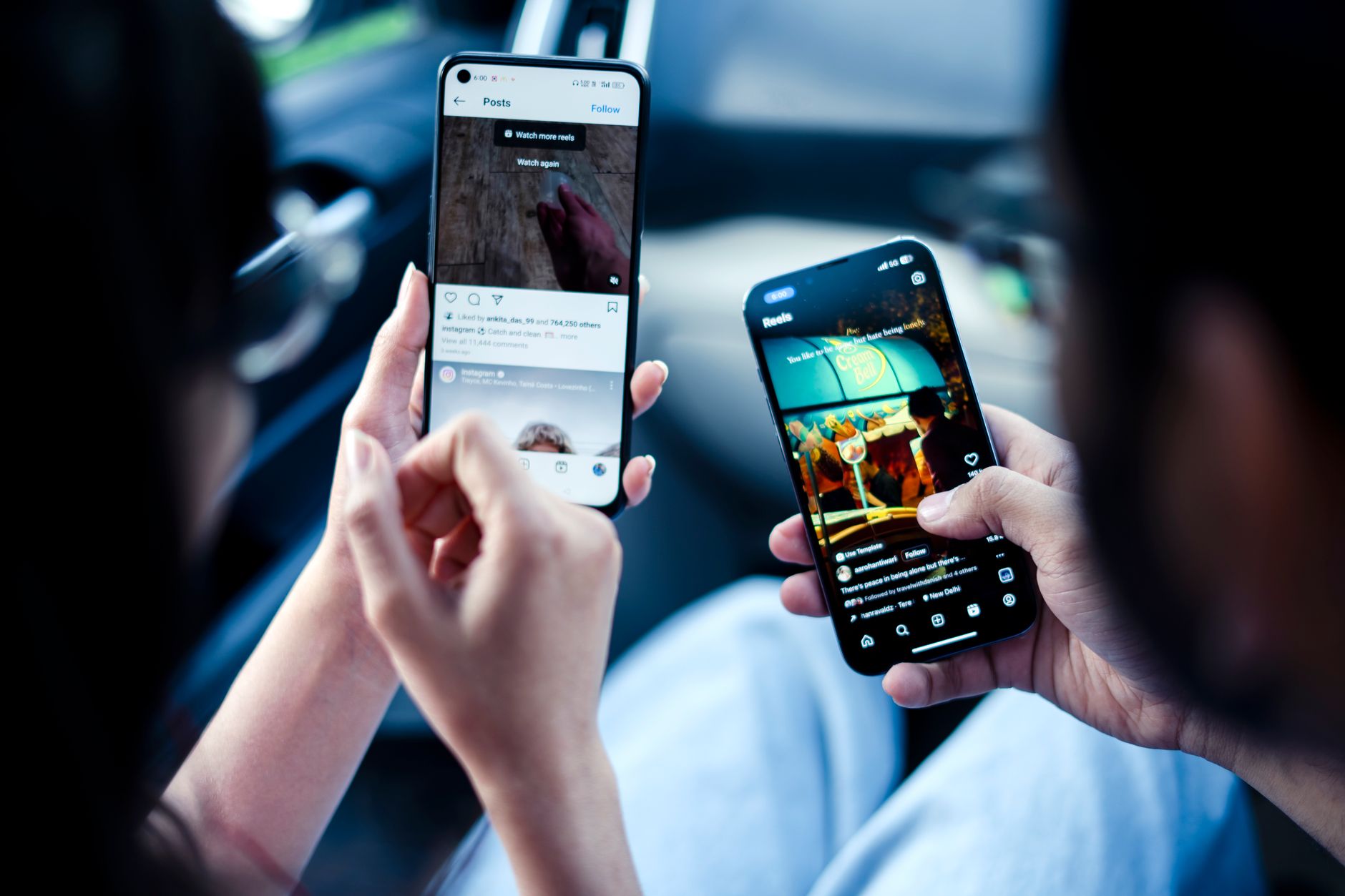
Think about how often mixed Android and iPhone groups struggle to share a simple photo. A messaging app, a photo editor, or a social app could now bake in a transfer option that works regardless of which phone someone carries. For app makers, the pitch is appealing too. No server costs, no compression losses, and a security layer already built in. That’s a meaningful upgrade over asking users to export a file, open another app, and re-upload it manually.
Worth Watching
- Will Apple allow this SDK the access it needs to work smoothly inside iOS apps, or will platform restrictions limit what developers can actually build?
- How many major apps will realistically adopt this in the first wave after launch, versus waiting to see how well it performs?
- Does this quietly set up more direct competition with AirDrop, or does Google position it purely as a developer tool rather than a consumer-facing rival?
Source: Android Headlines
