iPhone 18 Pro Is Here: Is This Finally the Upgrade Worth Paying For?
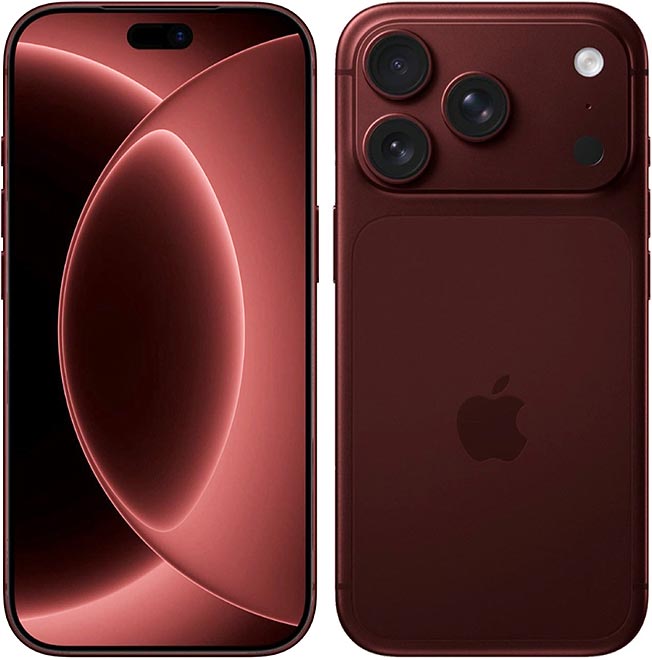
Apple just released the iPhone 18, 18 Pro, and 18 Pro Max and raised the price of its Pro iPhones by $100, and for once, the spec sheet might actually justify it. If you’ve been holding onto an iPhone 15 or 16 waiting for a “real” upgrade, the iPhone 18 Pro is the first launch in years built around a genuine architecture shift, not just faster benchmarks and a new camera bump.
Here’s everything that changed, what it means in daily use, and whether it’s worth jumping in now or waiting for round two.
When Can You Actually Buy It?
Apple announced the iPhone 18 Pro and iPhone 18 Pro Max at its “Surprise and Shine” event on September 9, 2026. Pre-orders opened September 12, and the phones officially go on sale September 18, 2026 in more than 65 countries, with another 20 following on September 25.
Notably absent: a standard iPhone 18. Apple is splitting its release cadence this generation — Pro models now launch in fall, while the base iPhone 18, iPhone 18e, and a rumored iPhone Air 2 are expected in spring 2027. That’s a deliberate move to create two annual sales peaks instead of one.
What’s New: The A20 Pro Chip
The headline feature isn’t the camera — it’s what’s powering it. The A20 Pro is Apple’s first chip built on a 2-nanometer process, a jump from the 3nm A19 Pro in last year’s model.
What that means in practice:
- Meaningfully better performance-per-watt, which Apple is using to fund battery life instead of just raw speed
- A new vapor chamber thermal system to sustain performance during heavy tasks like gaming or 4K video editing
- 12GB of RAM across both models — the minimum needed to run Apple’s more advanced on-device AI features
Camera: The Variable Aperture Finally Arrives
Apple’s Pro camera system gets its biggest structural change in years: a true variable aperture on the main 48MP lens, adjustable from ƒ/1.48 to ƒ/4.0. Previous iPhones simulated depth-of-field effects in software; this is a physical aperture change, similar to what’s been available on Android flagships and dedicated cameras for years.
Full rear camera specs:
- Main: 48MP Fusion, variable aperture (ƒ/1.48–ƒ/4.0), second-gen sensor-shift stabilization
- Ultra Wide: 48MP Fusion
- Telephoto: 48MP Fusion, .5x–8x optical-quality zoom
- Front: 18MP Center Stage
For photographers, this means genuine control over depth of field and light intake without relying entirely on computational tricks — a small detail with an outsized impact on how portraits and low-light shots actually look.
Battery: Apple’s Biggest Claimed Leap Yet
Apple is calling this “the biggest leap in battery life ever” for iPhone, and the numbers back it up:
| Model | Battery (video playback) | Previous gen |
|---|---|---|
| iPhone 18 Pro | Up to 36 hours | 33 hours (17 Pro) |
| iPhone 18 Pro Max | Up to 45 hours | 39 hours (17 Pro Max) |
One caveat worth knowing before you buy: those top-end figures apply to the eSIM-only variants. Removing the physical SIM tray frees up internal space for a larger cell, adding roughly two extra hours. If your carrier or region still requires a physical SIM, expect slightly shorter real-world numbers.
Price and Storage
| Model | Display | Starting Price | Storage Options |
|---|---|---|---|
| iPhone 18 Pro | 6.3″ | $1,199.99 | 256GB / 512GB / 1TB / 2TB |
| iPhone 18 Pro Max | 6.9″ | $1,299.99 | 256GB / 512GB / 1TB / 2TB |
Both are $100 more than their iPhone 17 Pro predecessors at launch — a price hike most analysts attribute to the cost of adopting 2nm chip production and elevated memory pricing across the industry, rather than the camera or display changes alone.
Colors available at launch: Black, Silver, Glacier, and Burgundy.
One Thing to Know Before You Buy: Siri AI and Region Limits
The generation’s marquee software feature — the more conversational, context-aware Siri AI — is not launching in the EU at release. If you’re in the European Union and this feature is a primary reason you’re upgrading, it’s worth confirming rollout timing with Apple directly before you commit to pre-ordering.
Should You Upgrade?
Skip it if: you bought an iPhone 16 Pro or 17 Pro and mainly use your phone for calls, browsing, and standard photos — the year-over-year jump won’t feel dramatic in daily use.
Upgrade if: you’re coming from an iPhone 14 Pro or earlier, you shoot a lot of photo or video content and want manual aperture control, or you’re consistently battery-anxious by dinnertime. The combined chip efficiency and battery capacity increase is the most tangible everyday change Apple has shipped in several generations.
Wait if: you want a foldable — the iPhone Duo, Apple’s first folding iPhone, was announced alongside the Pro lineup but doesn’t ship until October 23, 2026, starting at $1,999.

Fortune Akinola
September 14, 2026 at 6:40 amNot worth buying