A months-long scheme of fake interviews led to crypto’s biggest theft
Binance published a detailed investigation on Tuesday into the $6 billion hack of its platform. The report shows attackers spent months building trust with employees through fake job interviews before planting the malware that let them steal the funds.
The attack itself took about four hours on October 29, but the groundwork started as early as June. The FBI has attributed it to North Korea-affiliated hackers, a claim Pyongyang has rejected, with Kim Jong Un’s sister calling it “absurd rhetoric.”
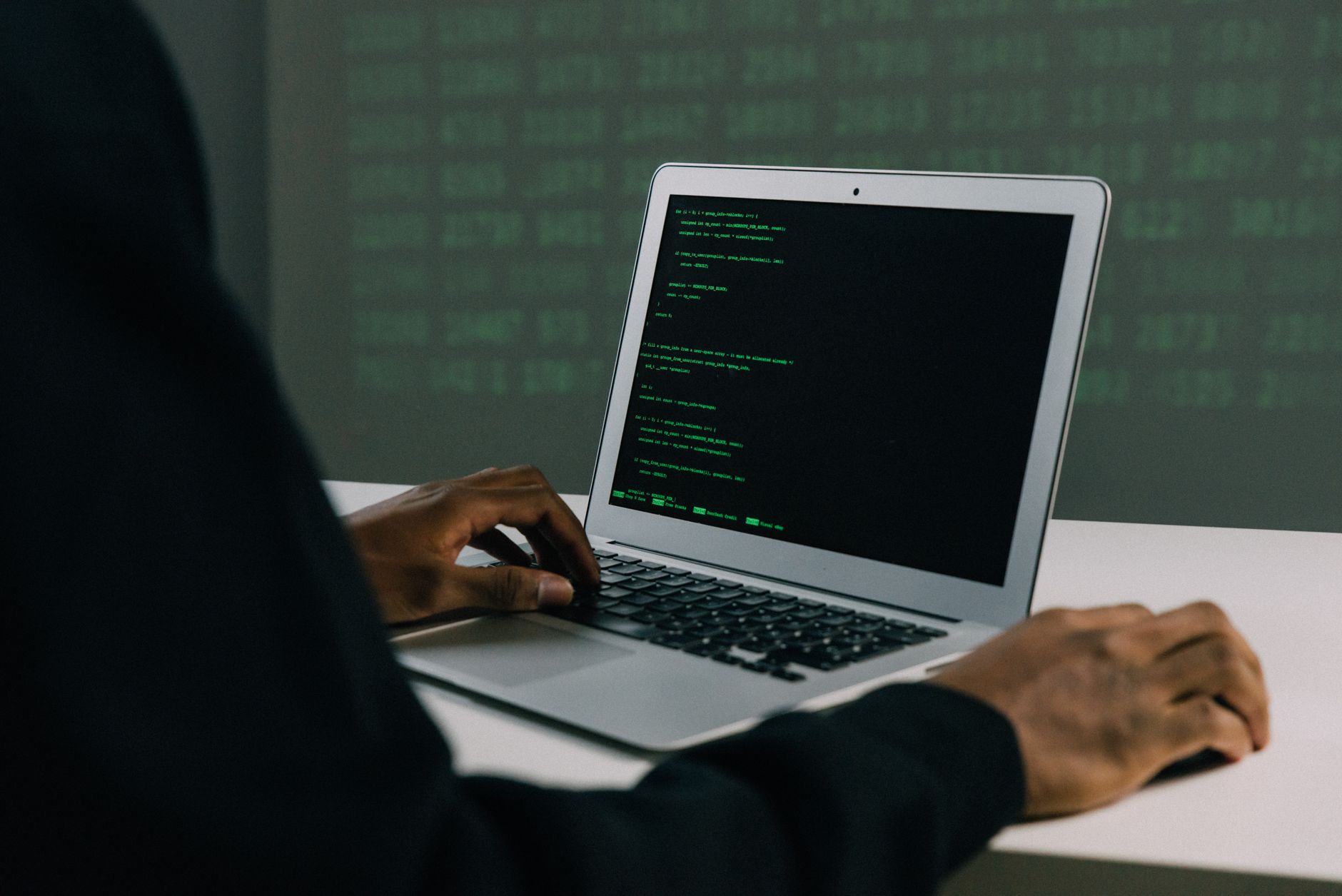
Hackers spent months building trust before striking
According to Binance, the first attempt targeted a platform engineer back in June. Attackers convinced the engineer to download a virus-laden version of Homebrew, a widely used piece of programming software.
Binance’s cybersecurity team caught and removed that malware. But the hackers had already gathered information on the engineer and his colleagues, intelligence they would use later.
In September, a different engineer was approached through a legitimate job-search platform with an offer to interview for a fictitious company. The attackers shared social media photos and videos to build rapport, then asked the engineer to download a test exercise as part of the hiring process. That exercise was loaded with malware using what Binance called “sophisticated obfuscation and evasion techniques,” including a legitimate development tool swapped for a malicious copy.
An internal AI tool helped hackers reach more engineers
That second piece of malware turned out to be the key. It gave attackers a working connection into Binance’s internal systems, something the earlier Homebrew attempt never achieved.
On October 20, the hackers used that access along with an internal AI tool to take control of software used by two more engineers. Nine days later, they triggered the malicious code that set off the actual theft.
The sequence shows a slow, patient operation rather than a single exploited bug. Each step depended on human trust more than technical flaws, which is a harder problem for any exchange to fully close off.
Most of the stolen funds are gone, but not all of it
Binance says it has replenished 98 percent of the affected assets using its own funds. The remaining 2 percent involves little-traded currencies that are harder to buy back.
Of the $6.34 billion stolen, about $2.85 billion has been frozen, meaning the attackers can’t move or convert it. News of the hack pushed prices of most major cryptocurrencies down sharply, a reminder of how much the market still reacts to exchange security scares, even at an exchange as large as Binance, the world’s biggest by daily trading volume.
Worth Watching
- Will more of the frozen $2.85 billion eventually be recovered, or does it stay locked up indefinitely?
- What happens to the remaining stolen funds in hard-to-trade currencies that Binance hasn’t replenished yet?
- Will other exchanges change how they vet job candidates and engineers after seeing how this attack unfolded?
Source: Yahoo Finance / AFP
This article is for information only and is not financial advice.

Fortune Ayomiposi Akinola
November 4, 2026 at 7:42 amThey fell for the old trick in the book