Tech War: Iranian Hackers Strike at the Heart of U.S. Intelligence,, The FBI
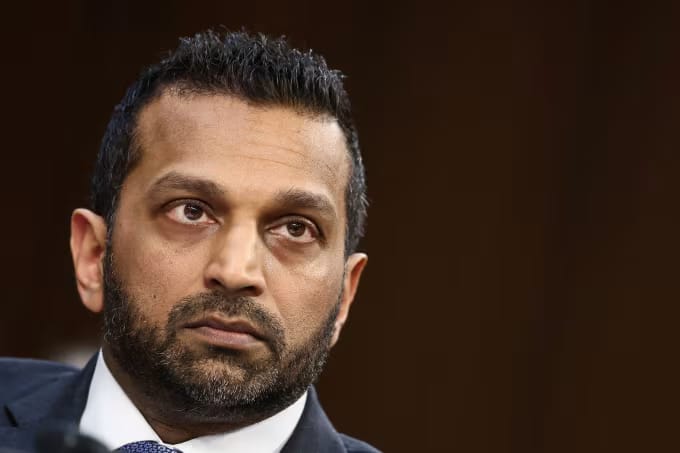
In the invisible trenches of the Tech War, where bytes replace bullets and firewalls stand in for front lines, Iran-linked hackers have scored a symbolic victory by breaching the personal email account of FBI Director Kash Patel.
Hackers affiliated with the Handala Hack Team — a group U.S. officials tie directly to Iran’s Ministry of Intelligence and Security — gained access to Patel’s private Gmail account. They then publicly posted a trove of materials, including old family photos, personal documents, and correspondence spanning roughly 2011 to 2022.
A source familiar with the incident confirmed the authenticity of the leaked images to reporters. The files paint a mundane picture of pre-directorship life: family snapshots, apartment-hunting details, business emails, and travel arrangements. Cybersecurity researcher Ron Fabela described it bluntly: “This isn’t an FBI compromise — it’s someone’s personal junk drawer.”
The hackers framed their intrusion as a daring raid on “impenetrable” American systems, but experts quickly pushed back. The breach targeted a personal account, not official FBI networks, and the FBI has stated categorically that no government information was compromised.
Retaliation in the Digital Battlefield
The Handala Hack Team claimed responsibility on their website, taunting that Patel’s name would now join their growing list of high-profile victims. The group has a history of targeting U.S. officials and companies, often blending cyber disruption with propaganda.
This latest strike fits squarely into the Tech War playbook. U.S. intelligence has long warned that Tehran would retaliate in cyberspace for the ongoing U.S.-Israeli military campaign against Iran, which escalated dramatically last month. Iranian state media has accused the U.S. and Israel of strikes that killed civilians, including claims of a missile incident at an elementary school that allegedly claimed dozens of young lives — a charge the Pentagon continues to investigate.
The same group earlier this month disrupted operations at a major U.S. medical device manufacturer, explicitly citing retaliation for that school strike. In response, the Justice Department seized several of the hackers’ websites, prompting the FBI to offer a $10 million reward for information leading to the identification and capture of Handala members.
Patel is no stranger to this digital shadow war. In late 2024, as he was on the verge of his FBI appointment, officials informed him that Iranian actors had already targeted his personal communications as part of a wider campaign against incoming Trump administration figures. Similar attempts hit accounts linked to other Trump allies, including Deputy Attorney General Todd Blanche and Donald Trump Jr.
America’s Response: From Defense to Pursuit
The FBI moved quickly to contain the damage. In an official statement, the bureau said it had “taken all necessary steps to mitigate potential risks” and vowed to pursue the perpetrators relentlessly, in line with President Trump’s Cyber Strategy for America. That strategy emphasizes aggressive defense of U.S. networks, support for victims, and sharing intelligence to counter foreign threats.
“This is part of the Tech War, ” one U.S. official remarked privately. “Iran can’t match us on the kinetic battlefield, so they lash out with hacks, leaks, and embarrassment ops — trying to sow doubt and division from the shadows.”
The breach comes amid a flurry of related developments: the departure of numerous Justice Department and FBI personnel who had investigated Trump in prior years, ongoing probes into foreign influence operations, and heightened alerts over cyber threats from both Iran and China.
As the Tech War rages alongside physical confrontations in the Middle East, incidents like the Patel email hack serve as reminders that the conflict has multiple fronts. For now, the damage appears limited to personal embarrassment rather than national security compromise. But in this new era of hybrid warfare, even “junk drawer” leaks can become weapons in the hands of determined adversaries.
The FBI and Justice Department continue to investigate, while American cyber defenders remain on high alert for the next digital salvo from Tehran.