Sam Altman Warns Users: ‘ChatGPT Should Be Used Carefully, Not Fully Trusted’
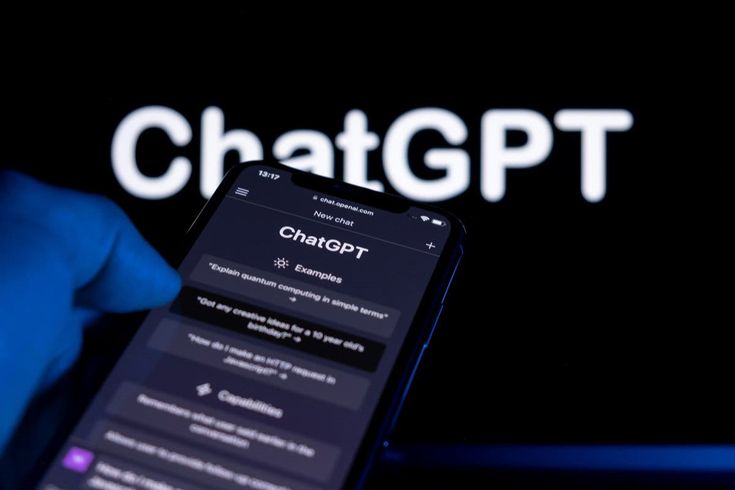
OpenAI CEO Sam Altman Urges Caution: “ChatGPT Shouldn’t Be Trusted Too Much”
OpenAI CEO Sam Altman is urging users not to place blind trust in ChatGPT, highlighting its limitations and tendency to “hallucinate”—a term used to describe when AI generates inaccurate or misleading information. Speaking on the first episode of OpenAI’s official podcast, Altman said he finds it “interesting” how much people rely on the chatbot, despite its flaws.
“People have a very high degree of trust in ChatGPT, which is interesting, because AI hallucinates,” Altman stated. “It should be the tech that you don’t trust that much.”
While OpenAI continues to roll out improvements—such as persistent memory and a possible ad-supported model—Altman acknowledged that the technology is still far from perfect. He stressed the importance of being transparent with users about its reliability: “It’s not super reliable,” he admitted.
Addressing Privacy and Legal Concerns
Altman’s comments come amid growing privacy concerns and legal challenges. OpenAI is currently facing copyright lawsuits from media outlets, including The New York Times, over the use of published content in AI training. In light of this, Altman reaffirmed the company’s commitment to openness and transparency, especially regarding how AI tools are developed and used.
A Shift in AI Hardware Philosophy
In a notable reversal, Altman also changed his stance on the hardware needs of AI. After previously downplaying the need for new hardware to support AI, he now argues that existing computers were built for a pre-AI world and are becoming increasingly outdated.
Speaking on his brother Jack Altman’s podcast, he explained, “The computers, the software, the hardware—were designed for a world without AI.” He envisions a future where AI-powered systems are more context-aware and capable of integrating deeply into users’ lives, beyond traditional interfaces like screens and keyboards.