The New Arena: How AI, VR, and Smart Data are Re-Engineering Live Sports
The roar of the stadium crowd used to be a sensory experience exclusive to those who bought a ticket, braved the traffic, and sat in the stands. For everyone else, live sports meant watching a heavily filtered, director-cut version of reality on a flat television screen.
But a quiet revolution is happening across the world’s major pitches, courts, and arenas. Driven by artificial intelligence, virtual reality, and micro-sensor telemetry, the line between sitting in a stadium and watching from home is blurring. We are moving into an era of hyper-personalized, fully automated, data-drenched sports entertainment.
Here is how the game is changing.
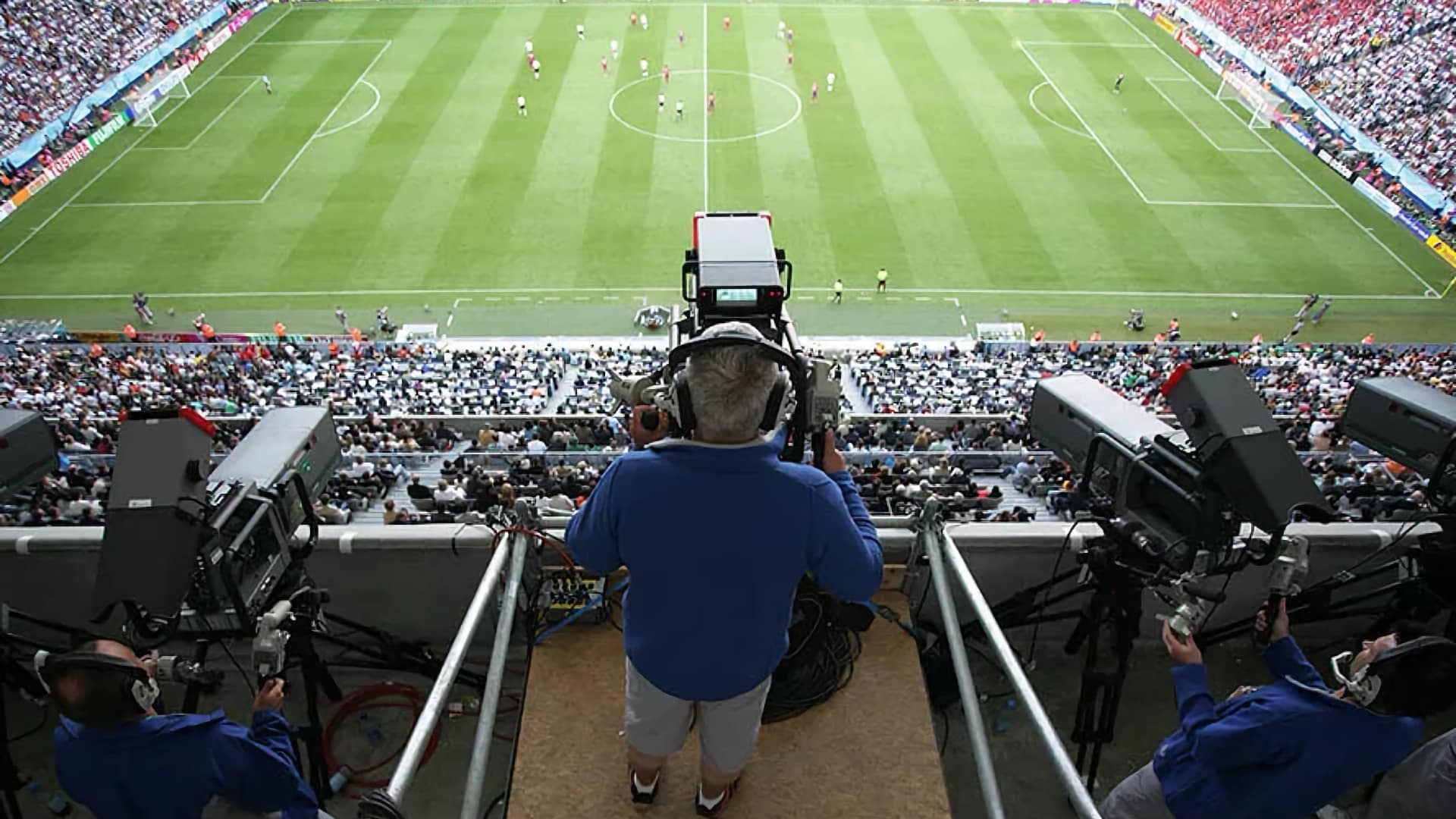
For decades, broadcasting a live game required massive production trucks, kilometers of cabling, and a small army of highly skilled camera operators. Tracking a fast-moving basketball or a soccer ball whipped across a pitch at 110 km/h requires flawless human reflexes.
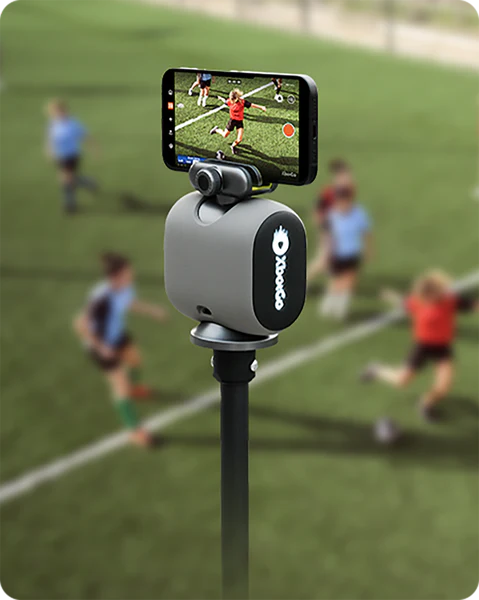
Enter AI-driven autonomous 4K camera rigs.
Equipped with computer vision models trained on millions of frames of game footage, these smart cameras don’t just follow the ball; they predict player intent. By analyzing structural patterns in team formations and tracking individual body mechanics, the software anticipates where the ball will go before it leaves a player’s foot or hand.
The implications for broadcasters are massive:
Zero Latency: Machine tracking eliminates human reaction delay, keeping the ball perfectly framed.
Radical Cost Reduction: Localized high school matches or lower-tier professional leagues that could never afford a full broadcast crew can now stream in pristine 4K with a single automated rig.
The Creator Era: Fans and coaches can request custom, individual-player tracking feeds on the fly, bypassing the main director’s cut entirely.