Reset Your Brain
A startling new study suggests your smartphone may be doing far more than draining your battery — it could be quietly harming your brain. Researchers found that lab animals exposed to phone radiation developed visible brain cell damage in just 30 days. Experts urge caution: use speakerphone, shorten calls, and keep your device away from your head while you sleep. Read the full findings and learn how to protect yourself!
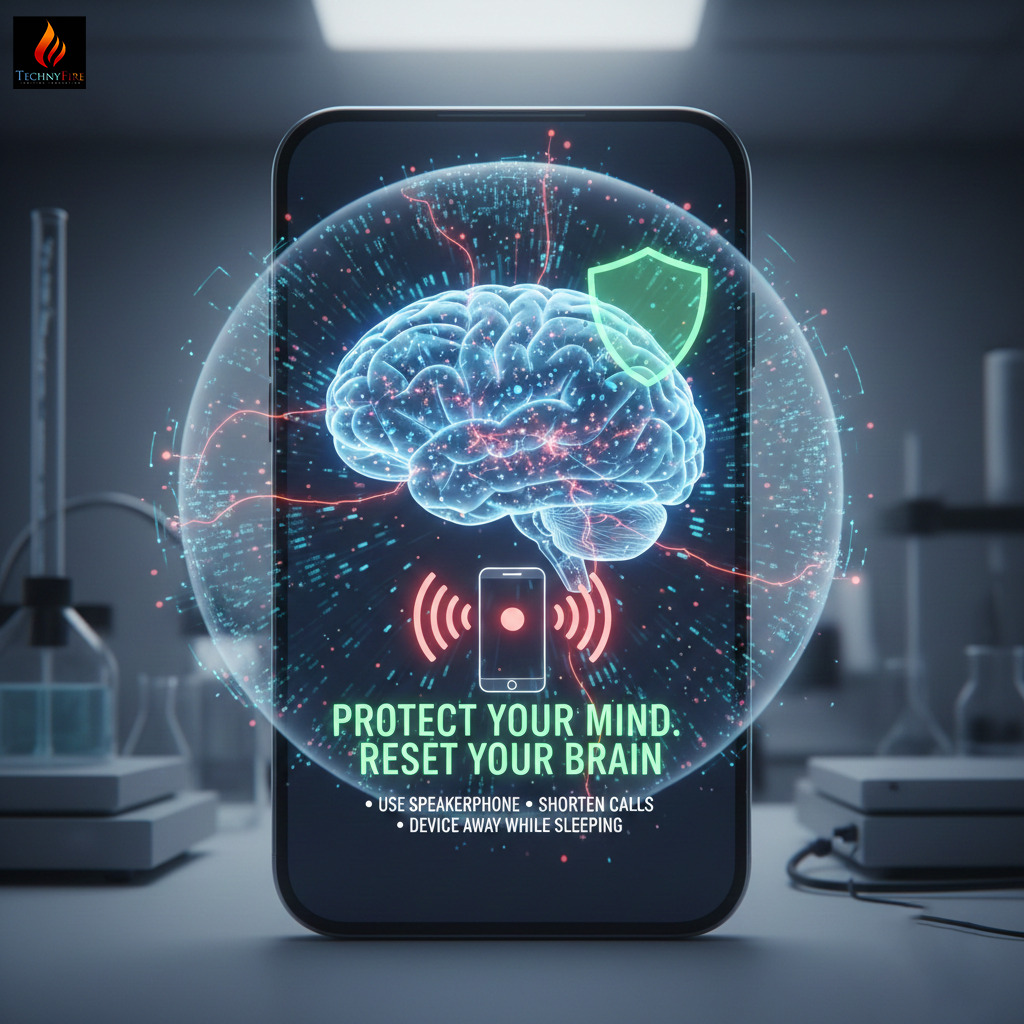
The latest findings on smartphone radiation and its effects on brain health suggest a complex picture.
While some studies indicate potential risks, comprehensive reviews have largely found no conclusive link between mobile phone use and brain cancer. Here are key insights from recent research:
1. WHO Review Findings: A recent review commissioned by the World Health Organization analyzed 63 studies and concluded that there is no increase in brain cancer incidence linked to mobile phone use, despite the widespread use of smartphones over decades.
2. Large-Scale Studies: Another significant study, involving over 5,000 papers, found no association between mobile phone usage and central nervous system tumors or salivary gland tumors, even among heavy, long-term users.
3. Animal Studies: Some animal studies have shown changes in brain cells due to radiofrequency electromagnetic radiation (RF-EMR). These studies have raised concerns about potential effects, but they are not directly applicable to human health without further research.
4. Expert Recommendations: Given the ongoing debate, experts recommend precautionary measures, such as using speakerphone, limiting call durations, and keeping devices away from the head during sleep.
While the evidence is not definitive, these findings underscore the importance of ongoing research into the long-term effects of smartphone radiation on health. For individuals concerned about potential risks, adopting safer usage practices is advisable.
For more detailed information, you can explore reports from reputable sources like the WHO and peer-reviewed journals.