From Kitchen Waste to Super Glue That Tows Vehicles
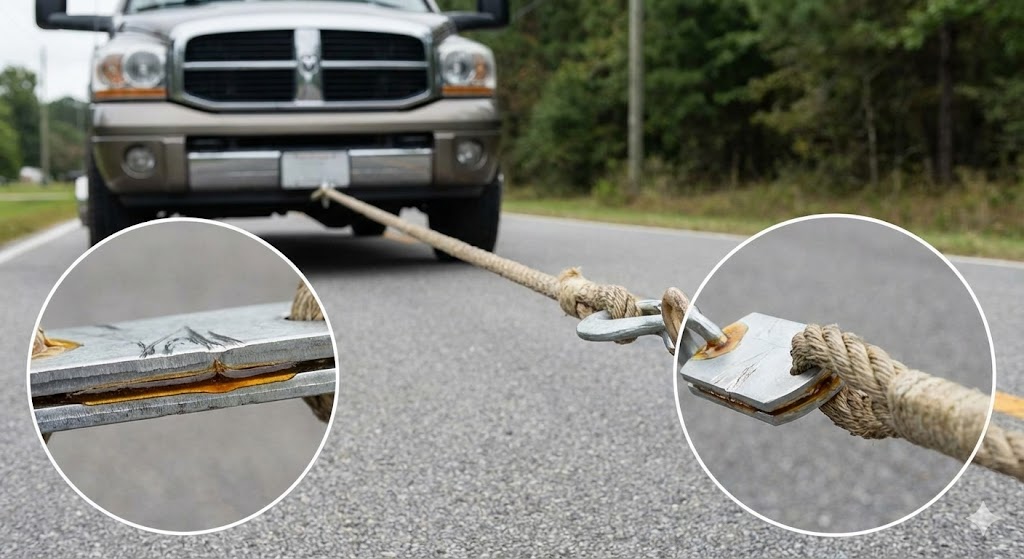
In a stunning breakthrough for sustainable engineering, scientists have successfully turned common household garbage into a revolutionary adhesive. This new bio-based “super glue” is not only green, but it also possesses shocking strength—so much so that researchers have demonstrated its capability to tow a multi-ton vehicle with just a few drops bonding the towing mechanism.
The innovation addresses two major global environmental crises simultaneously: the massive problem of organic food waste filling landfills, and the reliance on toxic, petroleum-based synthetic adhesives used in everything from electronics to aerospace.
For decades, the quest for “green” glue has been hindered by a lack of performance. Bio-adhesives historically couldn’t compete with the sheer bonding power of cyanoacrylates (standard super glue) or industrial epoxies.
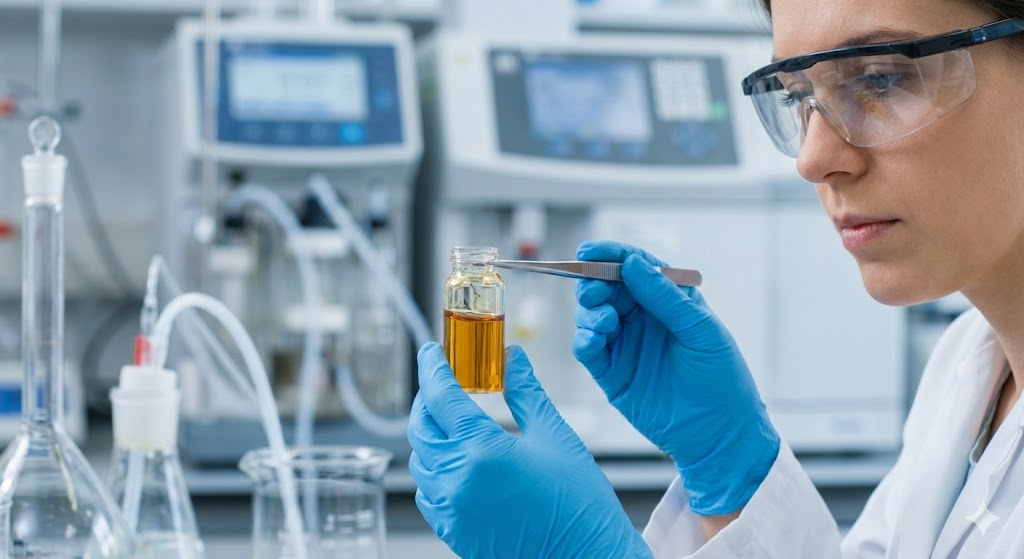
However, researchers discovered that many food waste products—particularly fruit peels, spoiled dairy, and sugarcane pulp—are rich in valuable chemical building blocks. These include organic acids like lactic, citric, and malic acids. By extracting these compounds and subjecting them to specialized chemical processes, scientists can engineer polymers (long repeating chains of molecules) that mimic the strong, cross-linking structures found in synthetic glues.
Instead of drilling for oil to make plastic-based glue, we can now mine our compost bins.
The Towing Test
The most notable aspect of this new bio-adhesive is its shear strength. In laboratory tests, some variations of these waste-derived glues have demonstrated bonding strengths exceeding 20 megapascals (MPa). For context, that is significantly stronger than many commercial super glues available at hardware stores.
To viscerally demonstrate this power, research teams have moved beyond gluing petri dishes together. In widely publicized demonstrations of similar bio-adhesive breakthroughs, researchers have bonded two metal cylinders together with a thin layer of the new glue—a surface area smaller than a credit card—and successfully used that bond as the connecting point to tow a standard sedan.
The glue doesn’t just hold; it resists the intense, jarring forces involved in pulling a heavy, stationary object.
The implications of this technology are vast. Currently, industrial adhesives are notoriously difficult to recycle. When a car, a phone, or a pair of shoes reaches the end of its life, the glue holding it together often condemns the entire product to the landfill because the different materials cannot be separated cleanly.
Many of these new kitchen-waste glues are designed to be “de-bondable” under specific conditions—such as high heat or exposure to a specific, non-toxic solvent. This means future products could be glued together with incredible strength during their use life, but easily taken apart for recycling when obsolete.
While currently still in the research and upscaling phase, this technology suggests a near future where the banana peel you throw away today could help assemble the car you drive tomorrow.